
Imagine stepping into a zoo where lions roar, elephants roam, and whales glide through the air—yet not a single animal is confined behind bars. This isn’t science fiction anymore. With the rise of holographic technology, places like the Hologram Zoo in MacGregor are challenging everything we thought we knew about wildlife experiences.
A New Kind of Wildlife Encounter
Traditional zoos have long been a source of fascination, education, and controversy. While they allow people to see animals up close, concerns about animal welfare, limited space, and unnatural habitats have sparked global debates. Enter hologram zoos—a concept that blends cutting-edge projection technology with immersive storytelling.
In a hologram zoo, animals are not physically present. Instead, highly realistic 3D projections recreate their appearance, movement, and even behavior. Visitors can walk through environments where a tiger appears to stalk nearby or a herd of elephants seems to pass within arm’s reach without any risk to animals or humans.
Why Hologram Zoos Are Gaining Attention
- Ethical Advantages
One of the strongest arguments for hologram zoos is the elimination of animal captivity. No animals are taken from their natural habitats, bred in confinement, or transported across continents. This addresses a major ethical concern associated with traditional zoos.
- Limitless Possibilities
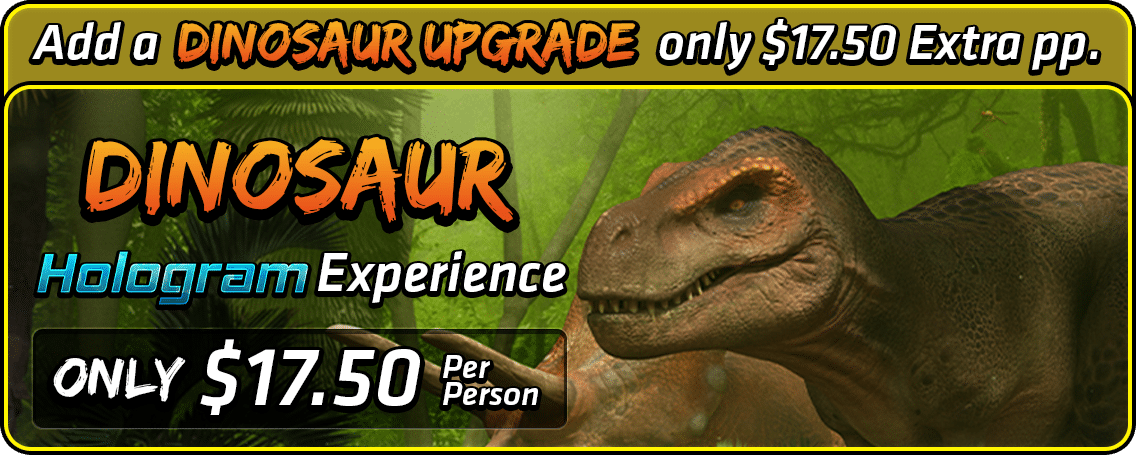
Hologram zoos are not restricted by geography or climate. Visitors could experience Arctic wildlife, deep-sea creatures, and extinct species like dinosaurs—all in a single visit. This opens the door to a much broader educational experience than conventional zoos can offer.
- Immersive Technology
Unlike static enclosures, holographic environments can be dynamic and interactive. Advanced sound design, motion sensors, and augmented reality elements make the experience feel alive. Visitors don’t just observe—they feel like they are part of the ecosystem.
- Conservation Through Awareness
While traditional zoos often contribute to conservation programs, hologram zoos can amplify awareness without impacting animal populations. By simulating endangered species in their natural habitats, they can educate visitors about conservation in a more impactful and emotionally engaging way.
The MacGregor Example
The Hologram Zoo in MacGregor is one of the pioneers of this concept. It combines large-scale holographic projections with storytelling to create lifelike wildlife encounters. Instead of cages and enclosures, the space is designed as an open, immersive environment where technology does all the work.
Visitors have reported a surprising level of realism—some even instinctively step back when a projected animal approaches. This emotional response suggests that hologram zoos can replicate much of the excitement of traditional zoos without the ethical drawbacks.
Challenges to Overcome
Despite their promise, hologram zoos are not without limitations.
High Costs: The technology required is expensive to develop and maintain.
Authenticity Debate: Critics argue that digital animals can’t fully replace the emotional connection of seeing a real one.
Accessibility: These experiences may initially be limited to urban or well-funded areas.
However, like most technologies, costs are likely to decrease over time, making them more widely available.
Could They Replace Traditional Zoos?
The idea of hologram zoos completely replacing traditional zoos is still up for debate. For many people, the presence of real animals carries a unique emotional and educational value that technology may not fully replicate.
That said, hologram zoos present a compelling alternative—especially as society becomes more conscious of animal rights and environmental sustainability. Rather than replacing traditional zoos overnight, they may coexist and gradually reshape how we think about wildlife experiences.
The Future of Wildlife Experiences
Hologram zoos represent more than just a technological innovation—they reflect a shift in values. As we move toward more ethical and sustainable forms of entertainment and education, experiences that don’t rely on animal captivity are becoming increasingly appealing.
Whether hologram zoos become the norm or remain a niche attraction, one thing is clear: the way we interact with wildlife is evolving. And in that evolution, technology might just offer a better path forward—for both humans and animals.
Final Thought:
The question isn’t just whether hologram zoos can replace traditional ones—it’s whether we’re ready to redefine what a zoo should be in the first place.