
Taking your kids to a zoo usually means sunscreen, snacks, and a lot of walking. But a hologram zoo? That’s a completely different adventure—and if you’re wondering whether it’s worth it, confusing, or just a flashy gimmick, here’s the honest breakdown from a parent’s perspective.
What Even Is a Hologram Zoo?
A hologram zoo uses light projections, augmented reality, and immersive tech to create lifelike animals—without any real animals being there. Think lions that roar inches away from you, whales swimming overhead, or dinosaurs walking beside your kids… all without cages or ethical concerns.
For kids, it feels like stepping into a movie. For parents, it can feel equal parts amazing and slightly surreal.
What Kids Absolutely Love
1. The “Wow” Factor is Real
The first time your child sees a life-sized elephant walk toward them (and through them), expect wide eyes and a lot of excited shouting. It’s immersive in a way traditional zoos simply can’t match.
2. No Waiting for Animals to Move
No more “Why is the tiger sleeping?” moments. Hologram animals are always active, visible, and often interactive.
3. It Feels Like Play, Not Learning
Kids absorb facts without realizing it because the experience is gamified—some hologram zoos even include interactive missions or storytelling.
The Honest Downsides
1. It’s Not Cheap
Tickets can be more expensive than a regular zoo. Add in snacks, souvenirs, and maybe a VR add-on, and it adds up quickly.
2. Younger Kids Might Get Scared
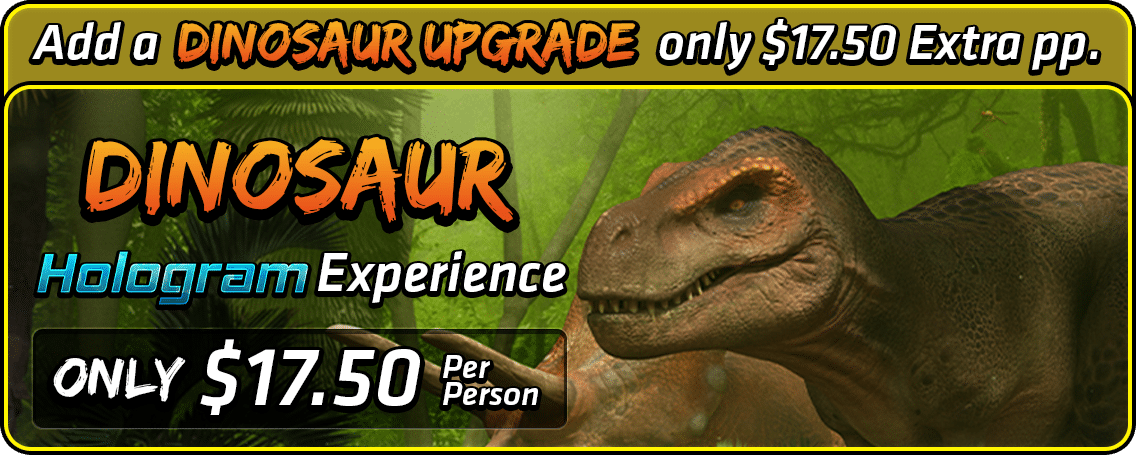
Some holograms are very realistic. A roaring T-Rex or a charging rhino might be thrilling for older kids but overwhelming for toddlers.
3. Screen Fatigue is a Thing
If your child already spends a lot of time on devices, this is still a digital experience—just on a bigger scale. It’s not the same as fresh air and real animals.
4. It’s Usually Indoors
Great for escaping heat or rain, but don’t expect the open, nature-filled vibe of a traditional zoo.
Is It Educational?
Surprisingly, yes—when done well.
Many hologram zoos include:
- Narrated animal facts
- Conservation messages
- Interactive quizzes or challenges
But here’s the truth: kids remember the experience more than the information. If you want deeper learning, you’ll still need to engage them—ask questions, talk about animals afterward, maybe pair it with a book or documentary.
Best Age Group
- Ages 5–12: Sweet spot. They’re old enough to understand it’s not real but young enough to be fully amazed.
- Toddlers: Hit or miss—can be magical or scary.
- Teens: They’ll enjoy the tech, but the novelty might wear off faster.
Practical Tips for Parents
- Book in advance: Popular time slots sell out quickly.
- Go early in the day: Kids have more patience and energy.
- Prep younger kids: Let them know the animals aren’t real to avoid fear.
- Bring essentials anyway: Even indoors, snacks and water help avoid meltdowns.
- Don’t rush: Let kids explore at their pace—it’s part of the fun.
Hologram Zoo vs Traditional Zoo
| Feature | Hologram Zoo | Traditional Zoo |
|---|---|---|
| Animal Welfare | No real animals involved | Ethical concerns vary |
| Experience | Immersive & interactive | Real but unpredictable |
| Learning Style | Tech-driven | Observation-based |
| Environment | Indoor | Outdoor |
So… Is It Worth It?
If you’re looking for something different, exciting, and weather-proof—yes, it’s worth trying at least once. It’s not a replacement for a real zoo, but it’s a fascinating alternative that blends entertainment …