
In an era where technology is reshaping how we learn, the concept of a hologram zoo offers an exciting glimpse into the future of education. Unlike traditional zoos, a hologram zoo in MacGregor blends immersive digital experiences with powerful learning opportunities—making it an ideal destination for students, families, and curious minds. Here are the top 10 educational benefits of visiting a hologram zoo.
- Up-Close Encounters Without Risk
Hologram zoos allow visitors to experience wild and endangered animals up close without physical danger. Learners can observe behaviors, movements, and habitats in incredible detail, all while staying completely safe. - Ethical Wildlife Education
Traditional zoos often raise concerns about animal welfare. Hologram zoos eliminate this issue entirely, offering a cruelty-free way to learn about wildlife without keeping animals in captivity. - Access to Extinct and Rare Species
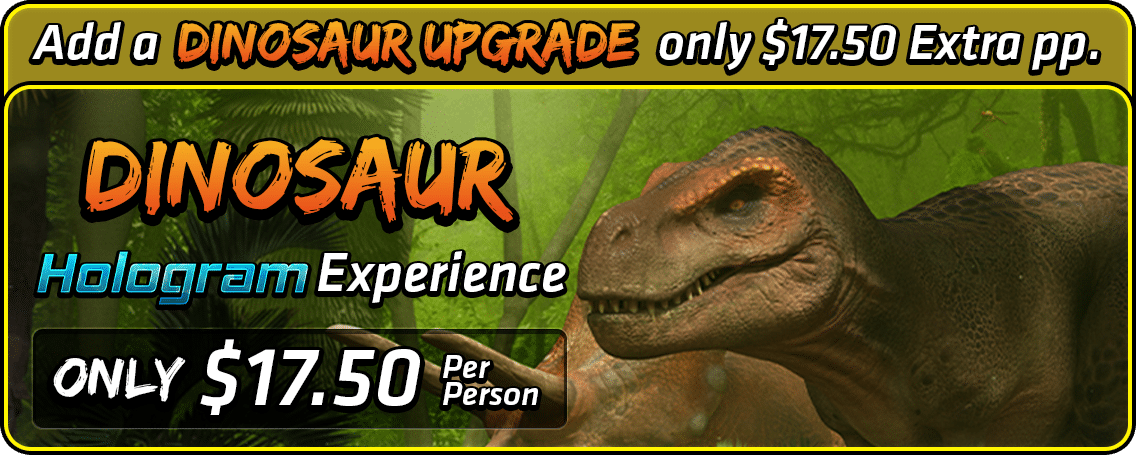
Imagine seeing dinosaurs, woolly mammoths, or critically endangered species brought back to life through holographic technology. This expands educational possibilities beyond what any physical zoo can offer. - Interactive Learning Experiences
Visitors can interact with holographic animals, explore ecosystems, and engage with educational simulations. This hands-on approach enhances understanding and retention, especially for younger learners. - Enhanced STEM Education
Hologram zoos integrate science, technology, engineering, and mathematics (STEM) concepts. Visitors gain insights into holography, artificial intelligence, and digital modeling while learning about biology and ecology. - Realistic Habitat Simulations
Instead of viewing animals in artificial enclosures, visitors can experience realistic environments—jungles, oceans, deserts, and polar regions—helping them understand ecosystems more holistically. - Climate Change Awareness
Through immersive storytelling, hologram zoos can demonstrate the effects of climate change, habitat loss, and human activity on wildlife, encouraging environmental responsibility. - Personalized Learning Journeys
Digital systems can adapt content based on age, interests, or learning level. Whether you’re a child or an adult, the experience can be tailored to suit your educational needs. - Accessibility for All
Hologram zoos can be designed to be more inclusive, offering multilingual guides, audio descriptions, and customizable interfaces, ensuring that learning is accessible to a wider audience. - Inspiring Future Innovators
By combining wildlife education with cutting-edge technology, hologram zoos inspire curiosity and innovation. They encourage visitors to think about careers in science, conservation, and technology.
Conclusion
A visit to a hologram zoo in MacGregor is more than just entertainment—it’s a transformative educational experience. By merging technology with conservation awareness, these futuristic attractions have the potential to redefine how we learn about the natural world, making education more engaging, ethical, and impactful than ever before.